
Quelle est l’efficacité d’un système de stockage d’énergie par batterie de 15,36 kWh ?
Par hqt
2026.07.29Articles connexes
Onduleur hors réseau 48V 6kW : pourquoi les systèmes de batteries 48V sont courants pour les systèmes solaires à haute puissance
31 août 2026
Installation résidentielle de systèmes solaires : dimensionnement technique, correspondance des systèmes et guide d’installation
31 août 2026
Onduleur 48 volts pour stockage solaire par batterie : spécifications clés que les acheteurs devraient comparer
27 août 2026
La batterie de 15,36 kWh capte l’énergie du soleil pour fournir soit l’énergie en soirée, soit en période de pointe. Cette batterie a également la capacité de fournir une alimentation de secours. N’oubliez pas que la capacité nominale de la batterie n’est pas l’énergie totale fournie aux appareils ménagers. L’énergie réellement délivrée est influencée par la batterie, l’onduleur, le système de gestion de la batterie, la température, le câblage, le profil de charge et l’état de charge.
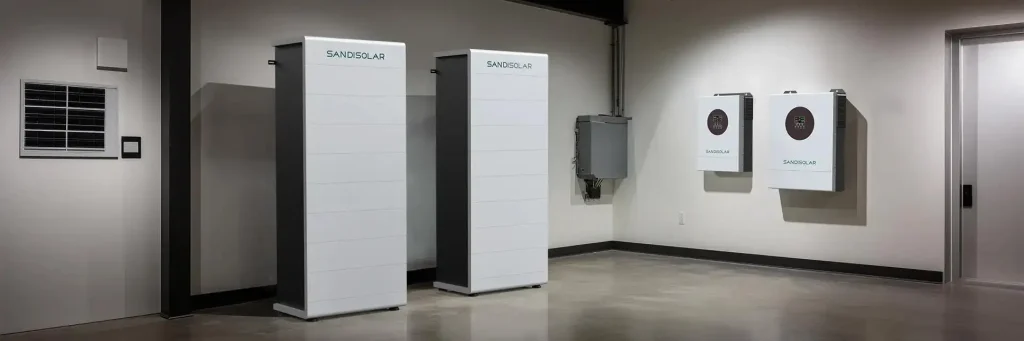
Pour avoir une idée précise de l’efficacité d’une batterie de 15,36 kWh, il faut évaluer l’ensemble du flux d’énergie — de la recharge à la stockage, puis de la décharge en courant continu jusqu’à la fourniture d’alimentation en courant alternatif.
Que représente vraiment une batterie évaluée à 15,36 kWh ?
Dans une application de stockage, cette batterie peut stocker un maximum de 15,36 kWh.
Pour mieux développer les concepts ci-dessus, nous prenons en compte quatre valeurs différentes de « capacité de batterie ».
1. La capacité nominale fait référence à la limite maximale de la capacité de batterie définie théoriquement.
2. La capacité utilisable est la capacité de batterie disponible pour le retrait d’énergie selon les limites de l’état de charge.
3. L’énergie DC délivrée est l’énergie restante après la perte de la batterie, du BMS et des fils.
4. L’énergie AC livrée est l’énergie disponible pour les charges après les pertes de l’onduleur et des auxiliaires.
Par conséquent, on peut dire qu’une batterie de 15,36 kWh fournit rarement l’intégralité nominale des 15,36 kWh d’électricité AC utilisable.
Comment calcule-t-on l’efficacité du système de batteries ?
L’efficacité de stockage d’énergie compare l’énergie fournie par le système à celle utilisée à l’origine pour le charger.
Efficacité système = Énergie délivrée ÷ énergie de recharge × 100 %
Si 15 kWh entrent dans le système de stockage et que 14,25 kWh sont ensuite fournis à la charge, l’efficacité mesurée est de 95 %.
Différents chiffres d’efficacité peuvent couvrir différentes limites d’équipement.
| Mesure de l’efficacité | Composants inclus | Objectif principal |
| Efficacité de la cellule | Cellules de batterie uniquement | Évalue la performance électrochimique |
| Efficacité DC de batterie | Cellules, BMS et conducteurs internes | Mesures de charge et de décharge en continu |
| Efficacité de l’onduleur | Équipement de conversion électrique | Mesure la conversion du courant continu en courant alternatif |
| Efficacité aller-retour | Processus de recharge et de décharge | Évalue la récupération complète de l’énergie |
| Efficacité globale du système | Batterie, onduleur et dispositifs auxiliaires | Estimation des performances pratiques sur le site |
Le SANDISOLAR SD ESS haute tensionSpécifie une efficacité système d’au moins 97 % dans des conditions de fonctionnement définies. L’efficacité réelle du site peut varier en fonction de la configuration de l’onduleur, de la demande de charge, de la température, du câblage et des limites de mesure.
Où se produit la perte d’énergie ?
Plusieurs causes de perte d’énergie existent dans un système de batterie de 15,36 kWh.
• La résistance interne d’une cellule entraîne la génération de chaleur car l’énergie est dissipée à chaque fois que la cellule est chargée ou déchargée.
• Système de gestion de la batterie (BMS) : Le BMS consomme de l’énergie pour surveiller et gérer l’état de chaque cellule de batterie, y compris l’équilibrage et la protection des cellules en fonction de la tension, du courant et de la température de la cellule.
• Perte de l’onduleur : Chaque fois que l’énergie de la batterie est convertie de CC en AC, de l’énergie est perdue.
• Perte de câble : Les bornes de câbles longs peuvent provoquer des pertes d’énergie sous forme de chaleur.
• Perte de veille : L’onduleur, l’affichage et d’autres dispositifs de communication et de surveillance en état de veille consomment une certaine énergie.
• Gestion thermique : Si des conditions de fonctionnement extrêmes existent, l’utilisation optionnelle d’équipements de chauffage et/ou de refroidissement supplémentaires peut encore diminuer l’énergie nette utilisable.
• Équilibrage des cellules : Le processus d’équilibrage peut gaspiller de petites quantités d’énergie dans la correction des différences de tension entre les modules.
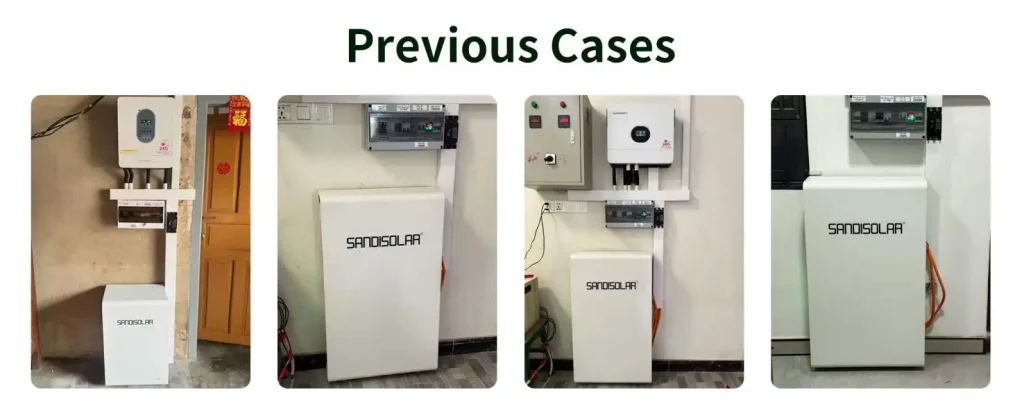
Pourquoi l’architecture haute tension est importante
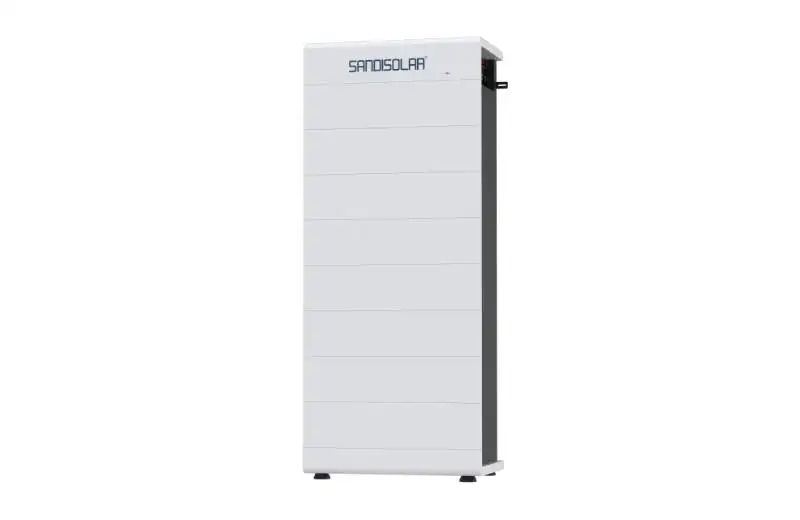
Le SANDISOLAR SD High-voltage ESS utilise une plateforme de tension allant de 153,6V à 409,6V. Ses configurations modulaires couvrent des capacités allant de 15,36 kWh à 40,96 kWh.
Pour la même puissance de sortie, augmenter la tension du système réduit le courant de fonctionnement.
| Puissance de sortie | Tension de batterie | Courant approximatif |
| 6kW | 48V | 125A |
| 6kW | 153,6V | 39A |
| 6kW | 307,2V | 20A |
Parce que les pertes de conducteurs sont fortement influencées par le courant, une batterie haute tension compatible de 15,36 kWh peut aider à limiter les pertes liées à la chaleur et aux câbles dans les applications de puissance moyenne et élevée.
La capacité d’apport d’énergie d’un système de batteries de 15,36 kWh peut être influencée par plusieurs caractéristiques, notamment :
• Diminution du courant : Fournir de l’énergie à un courant plus faible peut aider à minimiser les pertes dues à la résistance.
• Effets thermiques gérés : Une température plus basse des câbles et des connecteurs permet au système de fonctionner de manière plus stable.
• Évolutivité : Les modules empilables aident à concevoir des solutions avec des tensions et capacités variables selon les exigences du projet.
• Compatibilité des onduleurs : Les onduleurs haute tension peuvent aider à contrôler la charge et la décharge de la batterie dans la plage de fonctionnement autorisée de la batterie.
Pour les systèmes haute tension, des dispositifs d’isolation et de protection appropriés, ainsi que la mise à la terre ainsi que la mise en service et l’installation, sont nécessaires, et doivent être réalisés par du personnel qualifié.
Quelle est la capacité de livraison d’énergie d’une batterie de 15,36 kWh ?
Le tableau suivant montre des estimations simplifiées de la production à différents niveaux d’efficacité.
| Efficacité supposée | Énergie estimée livrée |
| 90% | 13,82kWh |
| 92% | 14,13 kWh |
| 95% | 14,59 kWh |
| 97% | 14,90 kWh |
Les calculs indiqués n’incluent pas une réserve protégée pour l’état de charge. En supposant un fonctionnement du système de 90 % de la capacité nominale et une efficacité totale du système de 95 %, nous avons :
15,36 kWh x 90 % x 95 % = 13,13 kWh (environ)
Cette approximation aide à estimer le temps de fonctionnement d’un appareil et/ou le temps de secours.
Facteurs d’efficacité réels
Profil de charge
• Charges continues modérées : Des charges continues stables aident la batterie et l’onduleur à fonctionner dans la plage la plus efficace.
• Charges très légères : Une consommation fixe en veille peut représenter une part plus importante de la consommation totale d’énergie.
• Charges de démarrage élevées : Les pompes, compresseurs et unités de climatisation sont des exemples d’équipements qui consomment un courant de démarrage nettement plus élevé que le courant de circulation. L’effet est une augmentation des pertes dans le système.
Température de fonctionnement
Le SD High-Voltage ESS est conçu pour fonctionner dans la plage de -20°C à 55°C selon les réglages et limites du système.
• Basses températures : Pour éviter d’endommager les cellules de la batterie, le courant de charge est limité.
• Chauffage auxiliaire : Cette option permet de fonctionner dans la gamme à engrenages mais augmente la consommation d’énergie.
• Températures élevées : Une résistance accrue et la contrainte thermique peuvent entraîner une diminution de l’efficacité et un vieillissement accru de la batterie.
État de charge (SOC)
• Plage de fonctionnement protégée : C’est le SOC optimal pour éviter la surcharge et la sur-décharge.
• Décharge profonde : Cela peut augmenter la disponibilité d’énergie pour une durée de secours plus longue, mais peut affecter les performances de la batterie sur un cycle plus long.
• Haut SOC à long terme : Cela peut aggraver la perte permanente des performances de la batterie.
Communication et gestion de l’énergie
La batterie SANDISOLAR de 15,36 kWh est conçue pour fonctionner avec les protocoles de communication CAN et RS485 avec l’option WiFi.
• Communication CAN : Cela permet le partage d’informations sur le SOC, la tension, les limites de courant, la température et l’état des défauts à un onduleur compatible.
• Communication RS485 : Cela permet l’intégration d’autres équipements, la collecte de données et le contrôle du système.
• Surveillance WiFi : Les fonctionnalités disponibles pour les opérateurs sont le flux d’énergie, l’état des batteries, les alarmes et l’historique de fonctionnement.
Des intégrations existent pour certaines plateformes d’onduleurs telles que Growatt, Solis et DEYE. La confirmation exacte du modèle de l’onduleur, du firmware, de la plage de tension et du protocole de communication est requise avant l’installation.
Efficacité sur le cycle de vie de la batterie
SANDISOLAR spécifie jusqu’à 6 000 cycles et une durée de vie prévue d’au moins 10 ans pour le SD à haute tension ESS dans des conditions de fonctionnement définies.
La capacité et l’efficacité doivent être évaluées séparément. Une batterie peut continuer à convertir l’énergie de manière efficace tandis que sa capacité totale disponible diminue progressivement avec l’âge.
Facteurs pour la longévité optimale à long terme d’une batterie
• Profondeur de décharge : Un cycle fréquent à des profondeurs modérées peut causer moins de dégâts que le cycle fréquent vers des niveaux maximaux et minimaux de charge.
• Température : Les effets du vieillissement sur la cellule peuvent être plus uniformes et contrôlables en évitant des températures de fonctionnement extrêmes.
• Charge et débit de décharge : Un courant contrôlé aide à générer de la chaleur.
• Consistance des cellules : L’adaptation des modules et du BMS actif peut aider à surmonter les déséquilibres dans la pile.
• Inspection préventive : Vérifier les câbles, connecteurs, enregistrements de communication et de ventilation afin d’identifier les pertes évitables.
Moyens d’améliorer l’efficacité d’une batterie de 15,36 kWh
• Choisir un onduleur correspondant : L’onduleur doit avoir une plage de tension correspondante, un courant de charge et être en accord avec la batterie concernant le firmware et les protocoles de communication.
• Choisir la bonne taille de câble : La bonne taille du conducteur aide à réduire la résistance et fixer les connexions aide à diminuer les chutes de tension.
• Éviter les conversions inutiles : Pour éviter le cycle de la batterie, l’énergie solaire peut être utilisée directement pendant la journée.
• Charges de veille de contrôle : Les écrans et communications inutiles (LED ou LCD), ainsi que les dispositifs auxiliaires, doivent être pris en compte.
• Contrôle de la température de fonctionnement : La zone d’installation doit être stable (sèche) et ventilée.
• Analyse des données de fonctionnement : Un enregistrement fréquent de l’état de charge, du courant, de la température, des alarmes et de l’énergie traitée quotidiennement peut aider à identifier les problèmes.
Derniers mots
Un système correctement coordonné peut aider à atteindre un niveau élevé de stockage d’énergie utilisable avec une batterie de 15,36 kWh. L’efficacité ≥ 97 % du SANDISOLAR SD High-Voltage ESS peut être atteinte avec une installation appropriée. La sortie AC réelle peut varier selon la configuration complète du système.
Pour l’utilisateur, comprendre le stockage utilisable, l’efficacité, la sauvegarde et les conditions de fonctionnement peut apporter de la valeur. Une batterie correctement configurée de 15,36 kWh peut supporter l’autoconsommation solaire, le déplacement de charge et l’alimentation de secours tout en restant extensible grâce à l’architecture haute tension empilable de SANDISOLAR.
FAQ
Q1 : Pourquoi une batterie haute tension est-elle plus efficace ?
Les batteries fonctionnent plus efficacement à une tension plus élevée car cela réduit la taille et le poids du câblage ainsi que les pertes de puissance résistives.
Q2 : Quelle quantité d’énergie utilisable une batterie de 15,36 kWh fournit-elle ?
L’énergie utilisable de la batterie est influencée par la limite de décharge, la température, les réglages et l’efficacité de l’onduleur.
Q3 : Que signifie une efficacité de batterie à 97 % ?
Cela signifie que dans certaines conditions d’essai, jusqu’à 97 % de l’énergie d’entrée mesurée est éventuellement stockée ou délivrée.
Q4 : Une batterie de 15,36 kWh peut-elle alimenter une maison entière ?
Potentiellement oui, mais il ne peut alimenter une maison que tant que la consommation totale d’énergie et la puissance de l’onduleur ne dépassent pas les limites.
Q5 : Combien de temps une batterie de 15,36 kWh peut-elle fournir une alimentation de secours ?
La réponse à cette question dépend de la charge connectée à la batterie. Le temps de secours est déterminé par la consommation d’énergie de la charge.
Partager sur les réseaux sociaux :


Contactez-nous
Dans cet article
Articles connexes
Onduleur hors réseau 48V 6kW : pourquoi les systèmes de batteries 48V sont courants pour les systèmes solaires à haute puissance
31 août 2026
Installation résidentielle de systèmes solaires : dimensionnement technique, correspondance des systèmes et guide d’installation
31 août 2026
Onduleur 48 volts pour stockage solaire par batterie : spécifications clés que les acheteurs devraient comparer
27 août 2026