Distribution solaire B2B en Ukraine : comment planifier l’équipement pour l’alimentation de secours
Par hqt
2026.10.27Articles connexes
Conception de systèmes C&I PV : Comment planifier des panneaux solaires commerciaux sur toits et au sol
30 octobre 2026
Qu’est-ce que le solaire C&I ? Guide des systèmes solaires commerciaux et industriels et exemples
29 octobre 2026
Comment devenir distributeur solaire SANDISOLAR en Pologne et développer votre activité de stockage
28 octobre 2026
When you're ready to be prepared for power outages, you will likely have a simple answer to the first question: What equipment needs to be kept running? The solution will impact inverter, battery, wiring and installation.
As a solar B2B distributor company in Ukraine, providing backup equipment can be as much about assisting installers and project buyers to make that question a viable product inquiry. Product information and supply can be coordinated by the distributor and the qualified design and installation team ensures the system on site.
Begin With the Loads that Matter
A backup system should be designed to meet the needs of the customer in the event of an interruption. For a small business, it can be communications gear, lights and some point-of-sale devices. A refrigerator, a router and lights are vital items that a household may want to find first.
The essential building backup load may not be identical to the total demand of the building. Inquire with the customer as to what machine(s) need to be used together, the duration of the machines to be used, and if there is any equipment with a high starting requirement.
The answers are used to evaluate the power of the inverter and battery capacity of the installer. They also provide a more valuable inquiry to the distributor than just asking for “a complete solar system” with no project information.
Backup time may be unknown and it is important to have a realistic discussion in this case. The performance of a system is dependent on the connected loads, battery state of charge, solar generation available and operating conditions.
| Essential Equipment | Rated Power (W) | Expected Hours | Estimated Energy (Wh) | Runs at the Same Time? |
| ____________________ | __________ | __________ | __________ | __________ |
| ____________________ | __________ | __________ | __________ | __________ |
| ____________________ | __________ | __________ | __________ | __________ |
| ____________________ | __________ | __________ | __________ | __________ |
| Estimated total | — | — | __________ | — |
Choose an Inverter for the Intended Operation.
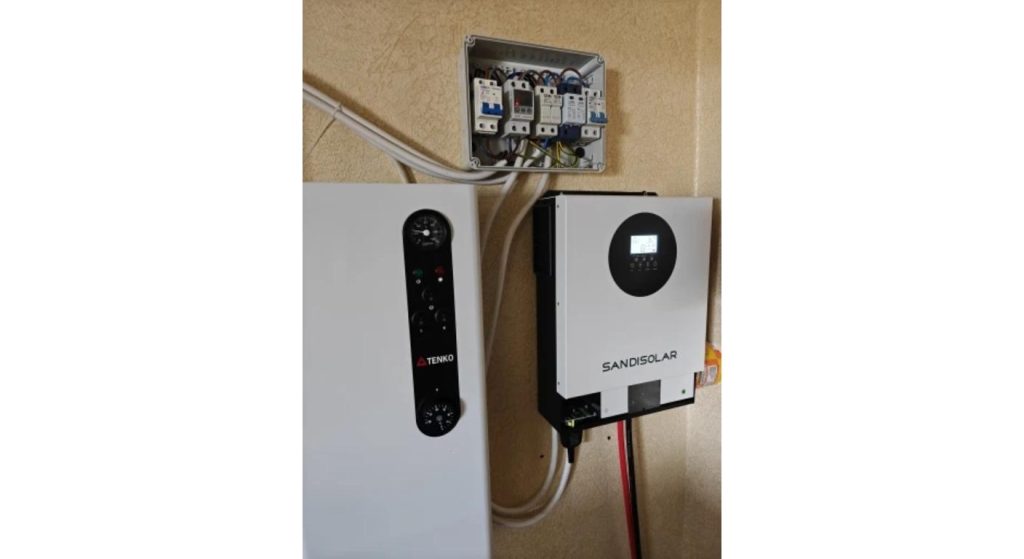
The inverter should be compatible with the operating mode and loads of the system. SANDISOLAR offers a variety of different power ratings and configurations for its Onduleurs hors réseau.
For instance, one of their site offers a 6.2kW 48V off-grid inverter under the model SD-4862W-EU. As subject to the product specifications and project requirements it can be reviewed as a starting point in a relevant off-grid application.
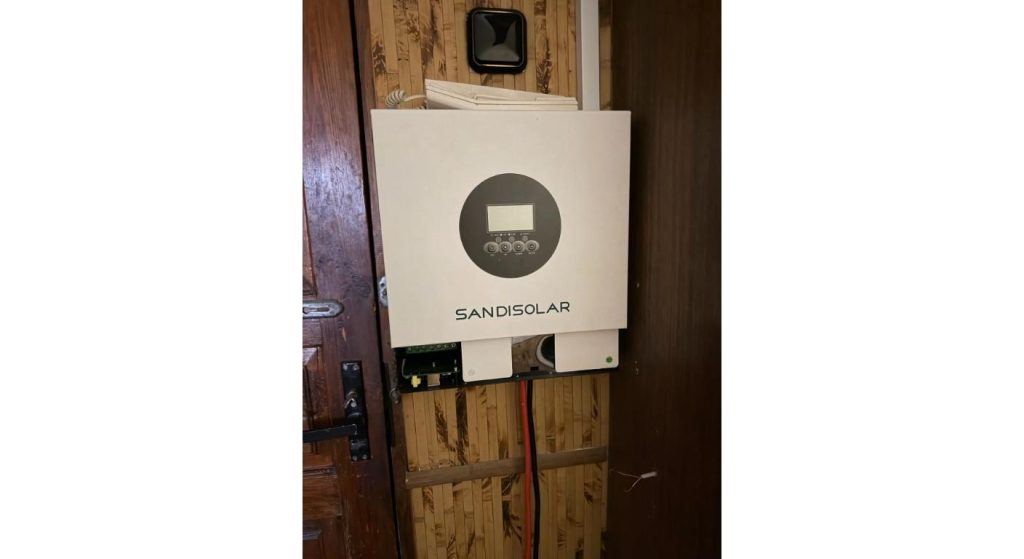
The buyer should look at the continuous output, load characteristics, solar input limits, battery requirements, and operating modes. For a customer who wishes to have export to the grid, ensure that the model/system being proposed is designed and approved for this purpose.
The term “solar inverter” does not provide information about what happens during an outage. The distributor and installer should discuss the specific model and proposed system configuration with the customer prior to committing to a customer.
Fit the Battery into the System
There are two aspects to battery selection—power and energy. The battery should be capable of performing the required charge and discharge cycles for the inverter, and have enough duty cycle to provide the required energy for the loads and backup time.
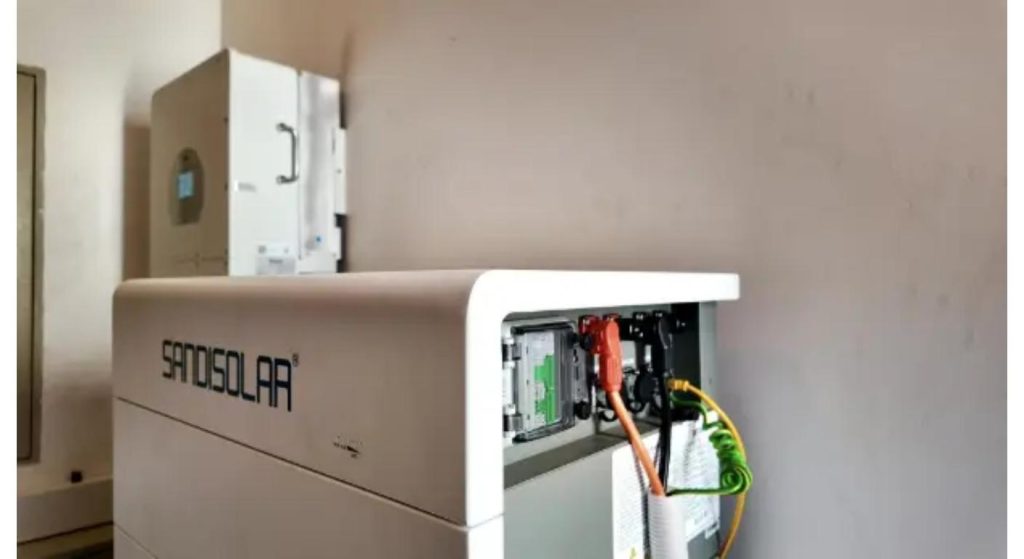
SANDISOLAR battery range is available in a variety of nominal voltage and capacities. These specifications may help to limit your options, but they are not enough to make sure a specific inverter is compatible.
Inquire about the models selected's voltage range, current limits, charging settings, and communication needs. At the point of contact between the battery management system and the inverter, verify the battery/inverter combination and settings.
Installation conditions for the cold weather also need to be considered. Review product manual to see the allowed charging, discharging and storage temperatures, and evaluate the installation site. Don't think that a battery can be charged at a temperature just because it is in a house.
Differentiate Backup Expectations from Solar Production.
Solar panels produce electricity if there is enough sunlight, but they don't produce electricity at a constant rate due to seasonal, weather, and shading effects. When designing a backup proposal, it is important to not assume that solar generation will be available during an interruption.
Talk about the way the battery will be charged, and what will happen in case of an outage while the battery is not fully charged. If a generator or grid input is part of the arrangement, ensure that the chosen equipment and system design is acceptable to the arrangement.
One way of helping is for a distributor to make the assumptions explicit in the quotation. The installer can then tell the customer what they can expect to do and any limitations of the product.
In the case of a business customer it might be more feasible to specify a subset of circuits as essential rather than guarantee the operation of all circuits. The final chosen should be based on site evaluation and the customer's priorities.
Create Documenting for the Ukrainian Project
Prior to they offer up equipment for a local installation, ask for the existing datasheet, installation manual, warranty terms and applicable product documents for the precise model and version.
Technical resources available in the Centre de téléchargement SANDISOLAR. Inquire about the documents and language versions that can be provided for the intended order.
Requirements are dependent on the equipment, type of installation and applicable Ukrainian rules. If applicable, the local electrical, safety, and network connection requirements should be checked by the installer or project team with the appropriate authorities or network operator.
Order should be accompanied by documentation. Make sure that the model quoted is the same as the equipment supplied and the instructions for installation.
Manage and schedule project delivery planning.
B2B buyer is likely to have to buy equipment for multiple customers at the same time. Prior to finalizing installation dates, discuss the following with the supplier: Model availability, quantity, dispatch location, delivery terms and estimated lead time.
SANDISOLAR assures that it has ready stock in EU and US warehouses. The above does not imply stock in Ukraine or the delivery to a specific Ukrainian direction. For every order, the following points should be discussed: availability, transportation, customs duties and final delivery. This course will cover the principles of renewable energy and explore career paths in this sector.
Special transportations and documentation may be needed for battery shipments. Verify these with the supplier and logistics provider prior to placing order.
When the project schedules change, provide an accurate forecast and update it when repeat work is done. This provides both parties with a clearer foundation for discussions around replenishment and the planning by the installer around known supply.
They think they have a good chance of being successful if they organize Local Technical Communication.
When a question arises the distributor is usually the bridge that connects the installer and supplier. Pre-agree the person to whom technical questions will be directed and the information that will be required.
A helpful report records the model, serial number (if available), system configuration and operating conditions, as well as any fault information displayed. Installer shall adhere to the appropriate manual and perform within scope of their responsibilities.
Verify inspection, replacement, return and customer communication procedures prior to making warranty promises. The availability and response time of local service should be negotiated and not taken for granted in the proposed cooperation.
A SANDISOLAR distributor page is provided to businesses interested in talking to the distributors about their sale points, product interests, where they are, and how much they are expecting.
Conclusion
A Solar B2B distributor in Ukraine will be able to help the project teams match the requirements for critical load with the appropriate equipment and the supply plan. The most effective questions include which operating mode is the intended one, what are the backup priorities, and what are the conditions of the project.
This is because having all this information can provide installers with a more firm foundation to deliver the project.
FAQ
Q1. What product(s) can SANDISOLAR talk about as a back-up project?
It offers different configurations of the off-grid inverter and the LIFEPO4 batteries on its website. The suitability to the models and project requirements.
Q2. Is there a warehouse of SANDISOLAR in Ukraine?
No Ukrainian distributor warehouse is mentioned on the distributor's page; there are only EU and US ones. Check stock & delivery to the specific destination.
Q3. Is it possible to use an off grid inverter to send power to the grid?
This should not be taken for granted! Inquire about the exact model's operation and the requirements for connections.
Q4. What should be the capacity of the battery?
Use the basic loads and backup time requirements and then add in system operating conditions and equipment limits. The final set-up should be verified by a qualified designer.
Q5. What items do you need to put in an inquiry as a Ukrainian B2B buyer?
Indicate destination, application, interests of product, estimated quantity and when it is needed. Provide load and system information on requests for configuration help.
Partager sur les réseaux sociaux :


Contactez-nous
Dans cet article
Articles connexes
Conception de systèmes C&I PV : Comment planifier des panneaux solaires commerciaux sur toits et au sol
30 octobre 2026
Qu’est-ce que le solaire C&I ? Guide des systèmes solaires commerciaux et industriels et exemples
29 octobre 2026
Comment devenir distributeur solaire SANDISOLAR en Pologne et développer votre activité de stockage
28 octobre 2026